Air pollution is a pressing global issue that affects not only the environment but also the health and well-being of individuals. It encompasses a variety of harmful substances released into the atmosphere, which can originate from both natural and human-made sources. While many people are aware of outdoor air pollution, the significance of indoor air quality is often overlooked. In fact, studies have shown that indoor air can be significantly more polluted than outdoor air, leading to serious health implications for those who spend a considerable amount of time indoors.The sources of air pollution are diverse and can include emissions from vehicles, industrial processes, and even household products.
For instance, common household items such as cleaning agents, paints, and furniture can release volatile organic compounds (VOCs) that degrade indoor air quality. Additionally, factors like poor ventilation and the presence of mold or allergens can exacerbate these issues, creating an unhealthy living environment.Understanding the various sources of air pollution is crucial for developing effective strategies to mitigate its impact. By focusing on improving indoor air quality, we can significantly enhance our overall health and comfort. This article will delve into the top five sources of air pollution that you need to be aware of, with a particular emphasis on how they affect indoor environments.
By raising awareness about these pollutants and their origins, we can empower individuals to take proactive measures in safeguarding their health and improving their living spaces.
Understanding Indoor Air Quality
Indoor air quality (IAQ) refers to the condition of the air within buildings and structures, particularly as it relates to the health and comfort of the occupants. It encompasses a variety of factors, including the presence of pollutants, humidity levels, temperature, and ventilation. Understanding IAQ is crucial because we spend a significant portion of our lives indoors—estimates suggest that this can be as much as 90% for some individuals. Therefore, the quality of the air we breathe inside our homes, schools, and workplaces can have profound effects on our health.Several common pollutants can compromise indoor air quality:- Volatile Organic Compounds (VOCs): These are emitted by a range of products including paints, cleaning supplies, and building materials.
Prolonged exposure to VOCs can lead to headaches, dizziness, and even long-term health issues.
- Particulate Matter: Dust, pollen, and pet dander are examples of particulate matter that can accumulate indoors. These tiny particles can trigger allergies and respiratory problems.
- Mold and Mildew: High humidity levels can foster mold growth, which releases spores into the air. This can lead to serious respiratory issues and allergic reactions.
- Carbon Dioxide (CO2): Elevated levels of CO2 can occur in poorly ventilated spaces, leading to fatigue and decreased cognitive function.
- Radon: This naturally occurring gas can seep into homes from the ground and is a known carcinogen.
Furthermore, it can affect mental well-being and productivity. For instance, studies have shown that improved IAQ in workplaces leads to enhanced employee performance and reduced absenteeism.To ensure good indoor air quality, regular monitoring is essential. This can be achieved through various means such as using air quality sensors that provide real-time data on pollutant levels. Additionally, implementing proper ventilation systems and using air purifiers can significantly improve IAQ.
By taking proactive measures to monitor and enhance indoor air quality, we can create healthier living environments that support our overall well-being.
Source 1: Volatile Organic Compounds (VOCs)
Volatile Organic Compounds, commonly referred to as VOCs, are a significant source of indoor air pollution that can adversely affect indoor air quality. These compounds are organic chemicals that have a high vapor pressure at room temperature, which means they can easily evaporate into the air. VOCs are emitted by a variety of household products and materials, making them a common concern for homeowners.Some of the most prevalent sources of VOCs in our homes include:- Paints and Solvents: Many paints, varnishes, and solvents release VOCs during application and drying. These emissions can linger in the air long after the product has been used.
- Cleaning Products: Household cleaners, disinfectants, and air fresheners often contain VOCs that contribute to poor indoor air quality.
- Building Materials: Items such as plywood, particleboard, and adhesives can emit VOCs as they off-gas over time.
- Personal Care Products: Many cosmetics, perfumes, and hair sprays contain VOCs that can accumulate in indoor environments.
- Office Equipment: Printers, copiers, and other office machinery can release VOCs during operation.
Short-term exposure may lead to symptoms such as headaches, dizziness, and respiratory issues. Long-term exposure has been linked to more serious health problems, including liver damage, kidney damage, and even cancer in some cases. Vulnerable populations such as children, the elderly, and individuals with pre-existing health conditions may be particularly at risk.To reduce exposure to VOCs in your home, consider implementing the following strategies:
- Choose Low-VOC Products: When purchasing paints, cleaning supplies, or building materials, look for products labeled as low-VOC or no-VOC.
- Increase Ventilation: Open windows and use exhaust fans when using products that emit VOCs to help disperse these compounds more quickly.
- Avoid Synthetic Fragrances: Opt for natural alternatives or unscented products to minimize VOC emissions from personal care items.
- Store Chemicals Properly: Keep all chemical products in tightly sealed containers and store them in well-ventilated areas away from living spaces.
Source 2: Particulate Matter (PM2.5 and PM10)
Particulate matter (PM) is a significant contributor to air pollution, particularly in indoor environments. It is categorized into two main types based on size: PM2.5 and PM10. Understanding these particles is crucial for assessing their impact on indoor air quality and overall health.PM2.5
refers to fine particulate matter with a diameter of 2.5 micrometers or smaller.
These tiny particles can penetrate deep into the lungs and even enter the bloodstream, leading to various health issues. Common sources of PM2.5 include:
- Combustion processes, such as those from vehicles, industrial facilities, and residential heating systems.
- Cooking activities, especially frying and grilling, which release smoke and grease particles.
- Use of certain household products, including paints, varnishes, and cleaning agents that emit volatile organic compounds (VOCs) that can form PM2.5.
PM10
, on the other hand, consists of larger particles with a diameter of 10 micrometers or smaller. While these particles are less likely to penetrate as deeply into the lungs as PM2.5, they can still cause respiratory problems and other health concerns. Sources of PM10 include:
- Dust from construction sites or unpaved roads.
- Pollen and mold spores from plants.
- Smoke from burning wood or other materials.
Exposure to these particles has been linked to:
- Respiratory diseases, including asthma and chronic obstructive pulmonary disease (COPD).
- Cardiovascular issues, as fine particles can enter the bloodstream and affect heart function.
- Neurological effects, with emerging research suggesting links between particulate exposure and cognitive decline.
Source 3: Biological Pollutants
Indoor air quality can be significantly compromised by biological pollutants, which include a variety of living organisms and their byproducts. These pollutants can lead to a range of health issues, particularly for individuals with allergies or respiratory conditions. Understanding the sources and effects of these biological contaminants is crucial for maintaining a healthy indoor environment.One of the most common biological pollutants found in homes is mold.Mold thrives in damp, humid conditions and can grow on various surfaces, including walls, ceilings, and even furniture. When mold spores are disturbed, they can become airborne and contribute to poor indoor air quality. Exposure to mold can lead to symptoms such as sneezing, coughing, and skin irritation, and in some cases, it may trigger more severe respiratory issues.Another significant contributor to indoor air pollution is dust mites. These microscopic creatures feed on dead skin cells and thrive in warm, humid environments.
They are commonly found in bedding, upholstered furniture, and carpets. Dust mite droppings contain proteins that can act as allergens, causing reactions in sensitive individuals. Regular cleaning and the use of allergen-proof covers on mattresses and pillows can help reduce dust mite populations.
Pet dander
is also a notable biological pollutant. As pets shed skin flakes, hair, and saliva, these particles can become airborne and contribute to allergic reactions in susceptible individuals.
To mitigate the impact of pet dander on indoor air quality, it is advisable to regularly groom pets, vacuum frequently with HEPA filters, and maintain a clean living space.To improve indoor air quality affected by biological pollutants, consider implementing the following strategies:
- Control humidity levels: Use dehumidifiers to keep humidity below 50%, as this discourages mold growth.
- Regular cleaning: Dust surfaces frequently and vacuum carpets using a vacuum equipped with a HEPA filter.
- Ventilation: Ensure proper ventilation in areas prone to moisture, such as bathrooms and kitchens.
- Mold remediation: If mold is detected, address it promptly using appropriate cleaning solutions or professional services.
- Allergen-proof bedding: Invest in allergen-proof covers for mattresses and pillows to reduce exposure to dust mites.
Source 4: Asbestos and Radon
Indoor air quality can be severely compromised by the presence of hazardous materials such as asbestos and radon. Understanding these pollutants is crucial for maintaining a safe living environment.Asbestos
is a naturally occurring mineral that was widely used in construction materials due to its fire-resistant properties. Common sources of asbestos in homes include:
- Insulation materials
- Floor tiles
- Roofing shingles
- Textured paints
- Pipes and ductwork insulation
- Asbestosis: A chronic lung disease caused by inhaling asbestos fibers, leading to scarring of lung tissue.
- Lung cancer: Increased risk, especially among smokers.
- Mesothelioma: A rare and aggressive cancer primarily associated with asbestos exposure.
If asbestos is found, it should be managed or removed by certified contractors to prevent exposure.
Radon
, on the other hand, is a colorless, odorless gas that occurs naturally from the decay of uranium in soil and rock. It can seep into homes through cracks in floors, walls, and foundations. The health risks associated with radon exposure are significant:
- Lung cancer: Radon is the second leading cause of lung cancer after smoking. Long-term exposure increases the risk significantly.
Radon test kits are available for purchase at hardware stores or through local health departments. If elevated levels are detected, mitigation systems can be installed to reduce radon concentrations effectively.In conclusion, both asbestos and radon pose serious threats to indoor air quality and overall health. Regular testing and professional management are key steps in ensuring a safe living environment free from these hazardous materials.
Source 5: Household Products and Cleaning Agents
Many people are unaware that the cleaning products they use in their homes can significantly impact indoor air quality. Common household cleaners, air fresheners, and other products often contain volatile organic compounds (VOCs) and other harmful chemicals that can contribute to air pollution within enclosed spaces.When these products are used, they can release fumes that linger in the air, leading to a range of health issues.Symptoms such as headaches, dizziness, and respiratory problems can arise from prolonged exposure to these pollutants. Furthermore, some cleaning agents can react with other indoor pollutants, creating even more harmful compounds.
Common Pollutants in Household Products
- Formaldehyde: Often found in disinfectants and some air fresheners, this chemical is a known irritant and has been linked to serious health issues.
- Phthalates: These are commonly used in fragrances and can disrupt hormonal balance.
- Ammonia: Frequently used in glass cleaners, ammonia can irritate the eyes and respiratory tract.
- Chlorine: Found in bleach and some disinfectants, chlorine can produce toxic fumes when mixed with other cleaners.
- Look for Green Certifications: Products labeled as environmentally friendly or certified by organizations like Green Seal or EcoLogo are often safer choices.
- Use Natural Ingredients: Consider using cleaning solutions made from natural ingredients such as vinegar, baking soda, and lemon juice. These alternatives are effective at cleaning without the harmful side effects of traditional cleaners.
- Avoid Fragrances: Opt for unscented products or those with natural scents derived from essential oils instead of synthetic fragrances.
- Ventilate Your Space: Always ensure proper ventilation when using cleaning products.
Open windows or use exhaust fans to help disperse any harmful fumes.
Improving Indoor Air Quality: Tips and Strategies
Improving indoor air quality is essential for maintaining a healthy living environment. Here are some effective tips and strategies to enhance the air you breathe at home.Enhance Ventilation
One of the simplest ways to improve indoor air quality is by ensuring proper ventilation. Here are some strategies:- Open Windows: Whenever weather permits, open windows to allow fresh air to circulate. This helps dilute indoor pollutants and brings in cleaner air.
- Use Exhaust Fans: Utilize exhaust fans in kitchens and bathrooms to remove moisture and odors.
This is particularly important after cooking or showering.
- Install Air Vents: Ensure that air vents are not blocked by furniture or other objects. Proper airflow is crucial for maintaining good air quality.
Invest in Air Purifiers
Air purifiers can significantly reduce indoor pollutants, including dust, pollen, and pet dander. When selecting an air purifier, consider the following:- HEPA Filters: Choose a purifier with a HEPA filter, which can capture 99.97% of particles that are 0.3 microns or larger.
- Size Matters: Ensure the purifier is suitable for the size of the room where it will be used. A unit that is too small will not effectively clean the air.
- No Ozone Emission: Opt for models that do not produce ozone as a byproduct, as ozone can be harmful to health.
Regular Maintenance Practices
Maintaining your home and its systems can greatly impact indoor air quality.Here are some maintenance tips:
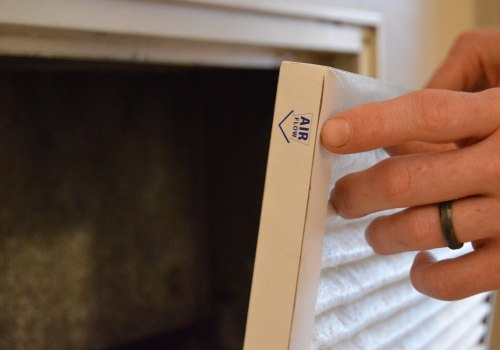
- Change HVAC Filters: Regularly replace filters in your heating and cooling systems to ensure they function efficiently and trap pollutants.
- Clean Ducts: Consider having your air ducts cleaned every few years to remove dust and allergens that accumulate over time.
- Avoid Chemical Cleaners: Use natural cleaning products whenever possible, as many commercial cleaners release volatile organic compounds (VOCs) that can degrade air quality.
Conclusion: The Importance of Awareness in Combating Air Pollution
As we conclude our exploration of the top sources of air pollution, it becomes increasingly clear that understanding these factors is crucial for safeguarding our health and well-being. The impact of indoor air quality on our lives cannot be overstated, as many individuals spend a significant portion of their time indoors. From household products to building materials, the sources of indoor air pollution are often overlooked yet can have profound effects on our respiratory health and overall quality of life.Awareness is the first step in combating air pollution. By recognizing the common pollutants that may be present in our homes, such as volatile organic compounds (VOCs), formaldehyde, and particulate matter, we can take proactive measures to mitigate their effects.Simple actions like improving ventilation, using air purifiers, and choosing low-emission products can significantly enhance indoor air quality.Moreover, it is essential to understand that the responsibility for maintaining clean air does not solely rest on individual actions. Communities and policymakers play a vital role in regulating emissions from industrial sources and promoting sustainable practices. Advocacy for stricter regulations on pollutants and support for clean energy initiatives can lead to broader changes that benefit public health.In addition to personal and community efforts, education is key. Schools, workplaces, and local organizations should prioritize awareness campaigns that inform individuals about the risks associated with poor indoor air quality and the steps they can take to improve it.
By fostering a culture of awareness and responsibility, we can collectively work towards a healthier environment.In summary, the fight against air pollution—especially in our indoor spaces—requires a multifaceted approach that includes individual action, community engagement, and policy advocacy. By staying informed and proactive, we can create healthier living environments for ourselves and future generations.