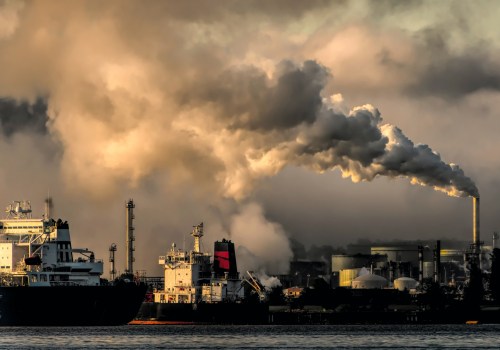
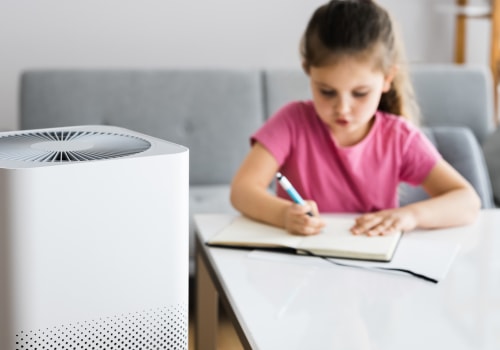
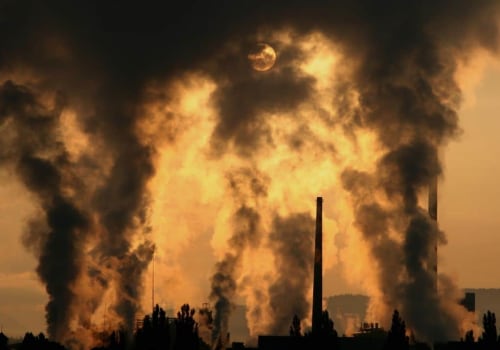
Air pollution is a pervasive issue that affects not only the environment but also the health and well-being of individuals. It encompasses a variety of harmful substances released into the atmosphere, including particulate matter, volatile organic compounds (VOCs), and gases such as carbon monoxide and nitrogen oxides. These pollutants can originate from numerous sources, including industrial activities, vehicle emissions, and even household products. As urbanization continues to rise and industrial activities expand, the quality of the air we breathe is increasingly compromised, leading to significant public health concerns.One of the most alarming aspects of air pollution is its direct impact on indoor air quality.
Many people are unaware that indoor environments can be just as polluted, if not more so, than outdoor spaces. Factors such as inadequate ventilation, the use of chemical cleaning agents, and emissions from appliances can contribute to a buildup of toxins indoors. This is particularly concerning as individuals often spend a significant portion of their time indoors—whether at home, in schools, or in workplaces—making them vulnerable to the adverse effects of poor air quality.The health implications of air pollution are profound and far-reaching. Exposure to polluted air has been linked to a range of serious health issues, including respiratory diseases, cardiovascular problems, and even cancer.
Vulnerable populations such as children, the elderly, and those with pre-existing health conditions are at an even greater risk. Understanding the connection between outdoor air pollution and indoor air quality is crucial for developing effective strategies to mitigate these risks and protect public health.As we delve deeper into this topic, it becomes essential to identify the primary contributors to air pollution and explore actionable solutions that can enhance indoor air quality. By addressing these challenges head-on, we can work towards creating healthier living environments for ourselves and future generations.
The Role of Fossil Fuels in Air Pollution
The combustion of fossil fuels is one of the primary drivers of air pollution, significantly impacting both outdoor and indoor air quality. Fossil fuels, which include coal, oil, and natural gas, are widely used for energy production, transportation, and industrial processes.However, their burning releases a variety of harmful pollutants into the atmosphere.When fossil fuels are burned, they undergo a chemical reaction that produces energy but also emits several toxic byproducts. The most common pollutants associated with fossil fuel combustion include:
- Carbon Dioxide (CO2): A greenhouse gas that contributes to climate change.
- Nitrogen Oxides (NOx): These gases can lead to the formation of ground-level ozone and smog, which are harmful to respiratory health.
- Sulfur Dioxide (SO2): This pollutant can cause acid rain and respiratory problems.
- Particulate Matter (PM): Tiny particles that can penetrate deep into the lungs and even enter the bloodstream, causing various health issues.
- Volatile Organic Compounds (VOCs): These compounds can contribute to indoor air pollution and have been linked to various health problems.
For instance, homes that use gas stoves or heating systems powered by fossil fuels may experience elevated levels of indoor air pollutants.Moreover, the health implications of exposure to these pollutants are alarming. Studies have shown that long-term exposure to high levels of nitrogen oxides and particulate matter can lead to chronic respiratory diseases, cardiovascular issues, and even premature death. Vulnerable populations such as children, the elderly, and those with pre-existing health conditions are particularly at risk.To combat the adverse effects of fossil fuel combustion on air quality, it is essential to transition towards cleaner energy sources such as wind, solar, and hydroelectric power. Additionally, implementing stricter regulations on emissions from vehicles and industrial processes can significantly reduce the amount of harmful pollutants released into the atmosphere.For instance, homes that use gas stoves or heating systems powered by fossil fuels may experience elevated levels of indoor air pollutants.Moreover, the health implications of exposure to these pollutants are alarming. Studies have shown that long-term exposure to high levels of nitrogen oxides and particulate matter can lead to chronic respiratory diseases, cardiovascular issues, and even premature death. Vulnerable populations such as children, the elderly, and those with pre-existing health conditions are particularly at risk.To combat the adverse effects of fossil fuel combustion on air quality, it is essential to transition towards cleaner energy sources such as wind, solar, and hydroelectric power. Additionally, implementing stricter regulations on emissions from vehicles and industrial processes can significantly reduce the amount of harmful pollutants released into the atmosphere.
Industrial Emissions: A Major Contributor to Poor Air Quality
Industrial activities are a significant source of air pollution, contributing to the deterioration of indoor air quality in both residential and commercial spaces.Factories, power plants, and manufacturing facilities release a variety of harmful pollutants into the atmosphere, which can infiltrate indoor environments and pose serious health risks.Among the most concerning emissions from industrial sources are volatile organic compounds (VOCs). These compounds are emitted as gases from certain solids or liquids and can include a range of chemicals that may have short- and long-term adverse health effects. Common VOCs include benzene, formaldehyde, and toluene, which are often found in products such as paints, solvents, and cleaning agents.The impact of these pollutants on indoor air quality is profound. When VOCs are released into the air, they can react with other pollutants to form secondary pollutants like ozone, which can exacerbate respiratory issues.
Prolonged exposure to VOCs has been linked to various health problems, including:
- Headaches
- Dizziness
- Nausea
- Respiratory issues , such as asthma and bronchitis
- Cancer , in some cases due to long-term exposure
- Implementing stricter emission controls to reduce the release of harmful pollutants.
- Utilizing low-VOC products in manufacturing processes.
- Improving ventilation systems in workplaces to ensure adequate air exchange.
- Regular monitoring of indoor air quality to identify and mitigate pollution sources.
Household Activities and Their Impact on Indoor Air Quality
Indoor air quality is significantly affected by various household activities, many of which are often overlooked.Understanding these sources of indoor air pollution is crucial for maintaining a healthy living environment.
1.Cleaning Products
Many common cleaning products contain volatile organic compounds (VOCs) that can evaporate into the air and contribute to indoor air pollution. These chemicals can be found in:
- All-purpose cleaners
- Air fresheners
- Disinfectants
- Bathroom cleaners
2.Cooking Methods
The way we cook can also impact indoor air quality. Cooking with gas stoves can release nitrogen dioxide (NO2) and carbon monoxide (CO), both of which are harmful pollutants.
Additionally, frying or grilling food can produce particulate matter and other harmful substances. To improve indoor air quality while cooking:
- Use exhaust fans to ventilate cooking areas.
- Opt for electric appliances when possible.
- Avoid using high-heat methods that produce smoke.
3.Tobacco Use
Tobacco smoke is one of the most significant contributors to indoor air pollution. It contains thousands of chemicals, many of which are known carcinogens. Even secondhand smoke can have severe health implications for non-smokers, particularly children and pregnant women.
To combat this issue:
- Implement a strict no-smoking policy indoors.
- Encourage smokers to use designated outdoor areas.
- Consider using air purifiers equipped with HEPA filters to reduce smoke particles in the air.
4.Other Sources of Indoor Pollutants
In addition to the aforementioned activities, other common sources of indoor pollutants include:
- Mold growth due to excess moisture from leaks or humidity.
- Pesticides used for pest control.
- Building materials that release formaldehyde and other harmful substances.
Combating Air Pollution: Effective Strategies for Improvement
Addressing air pollution requires a multifaceted approach that involves both individual actions and community initiatives. Here are some effective strategies to combat air pollution and improve indoor air quality.1.Enhance Indoor Air Quality
- Regular Ventilation: Ensure that your living spaces are well-ventilated. Open windows when weather permits to allow fresh air to circulate, which helps dilute indoor pollutants.
- Use Air Purifiers: Invest in high-quality air purifiers equipped with HEPA filters. These devices can significantly reduce airborne particles, allergens, and other harmful substances.
- Control Humidity Levels: Maintain indoor humidity between 30% and 50% to prevent mold growth and dust mites.
Dehumidifiers can be particularly useful in damp areas like basements.
- Avoid VOCs: Limit the use of products that emit volatile organic compounds (VOCs), such as certain paints, cleaning supplies, and air fresheners. Opt for low-VOC or natural alternatives whenever possible.
2.Reduce Emissions from Transportation
- Utilize Public Transport: Whenever feasible, use public transportation systems like buses and subways to decrease the number of vehicles on the road.
- Carpooling: Organize carpooling arrangements with friends or colleagues to minimize individual car usage, thereby reducing overall emissions.
- Choose Eco-Friendly Vehicles: If you must drive, consider switching to electric or hybrid vehicles that produce fewer emissions compared to traditional gasoline-powered cars.
3.Community Initiatives
- Advocate for Green Spaces: Support local initiatives aimed at increasing green spaces in urban areas. Trees and plants can absorb pollutants and improve overall air quality.
- Participate in Clean-Up Drives: Engage in community clean-up events that focus on reducing litter and pollution in local parks and neighborhoods.
- Educate Others: Share knowledge about the importance of air quality with friends, family, and community members. Awareness is a powerful tool for change.
Every small action contributes to a larger impact on our environment and health.
The Importance of Policy and Community Action in Reducing Air Pollution
Addressing air pollution effectively requires a multifaceted approach that combines robust government policies with active community engagement. The role of policy in shaping air quality standards cannot be overstated; it serves as the backbone for implementing regulations that protect public health and the environment.Governments at all levels must prioritize the establishment and enforcement of air quality policies. These policies should include:- Emission Standards: Setting strict limits on pollutants emitted by industries and vehicles is crucial. This includes regulations on nitrogen oxides, sulfur dioxide, and particulate matter.
- Incentives for Clean Energy: Providing tax breaks or subsidies for renewable energy projects encourages a shift away from fossil fuels, which are major contributors to air pollution.
- Public Transportation Initiatives: Investing in efficient public transport systems reduces reliance on personal vehicles, thereby decreasing vehicular emissions.
- Monitoring and Reporting: Implementing systems to regularly monitor air quality and report findings to the public fosters transparency and accountability.
Community action plays a vital role in complementing governmental efforts. Local initiatives can mobilize residents to take part in reducing air pollution through various means:
- Awareness Campaigns: Educating the community about the sources and effects of air pollution can lead to more informed choices, such as reducing car usage or avoiding burning waste.
- Community Clean-Up Events: Organizing local clean-up days can help reduce litter and pollutants that contribute to poor air quality.
- Advocacy Groups: Forming or joining local advocacy groups can amplify voices calling for stricter environmental regulations and better enforcement of existing laws.
FAQs About Air Pollution and Indoor Air Quality
Understanding air pollution and its impact on indoor air quality is crucial for maintaining a healthy living environment.Here are some frequently asked questions that can help clarify common misconceptions and provide valuable insights.
What are the main sources of indoor air pollution?
Indoor air pollution can stem from various sources, including:- Household products: Many cleaning agents, paints, and personal care products release volatile organic compounds (VOCs) that can degrade air quality.
- Combustion appliances: Gas stoves, fireplaces, and heaters can emit carbon monoxide and other harmful pollutants if not properly ventilated.
- Mold and mildew: Excess moisture in homes can lead to mold growth, which releases spores and mycotoxins into the air.
- Tobacco smoke: Smoking indoors significantly increases the levels of harmful chemicals in the air.
How does indoor air quality affect health?
Poor indoor air quality can lead to a range of health issues, including:- Respiratory problems: Exposure to pollutants can exacerbate asthma and cause other respiratory conditions.
- Allergies: Dust mites, pet dander, and mold can trigger allergic reactions in sensitive individuals.
- Cognitive effects: Studies suggest that poor indoor air quality may impair cognitive function and productivity.
What are common misconceptions about indoor air quality?
Several myths surround indoor air quality that can lead to misunderstandings:- Myth 1: Indoor air is always cleaner than outdoor air. This is not true; indoor spaces can accumulate pollutants that exceed outdoor levels.
- Myth 2: Air purifiers eliminate all pollutants. While they can reduce certain contaminants, not all purifiers are effective against every type of pollutant.
- Myth 3: Ventilation is unnecessary in modern homes. Proper ventilation is essential to dilute indoor pollutants and maintain good air quality.
Conclusion: Taking Action for Cleaner Air and Healthier Living Spaces
As we conclude our exploration of the three major contributors to air pollution, it is essential to recognize the profound impact these factors have on both our environment and our health.Understanding the sources of air pollution, particularly in relation to indoor air quality, empowers us to take meaningful action. The consequences of neglecting air quality are dire, affecting not only our respiratory health but also our overall well-being.To combat the challenges posed by outdoor and indoor air pollution, we must adopt a multifaceted approach:
- Awareness and Education: Knowledge is power. By educating ourselves and others about the sources and effects of air pollution, we can foster a community that prioritizes clean air.
- Advocacy for Policy Change: Engaging with local and national policymakers to support regulations that limit emissions from industries and vehicles is crucial. Stronger policies can lead to significant improvements in air quality.
- Improving Indoor Air Quality: Simple changes in our homes can make a big difference.
Regularly ventilating spaces, using air purifiers, and minimizing the use of VOCs can enhance indoor air quality.
- Promoting Sustainable Practices: Embracing sustainable practices such as reducing energy consumption, utilizing public transportation, and supporting renewable energy sources can significantly reduce our carbon footprint.
- Community Initiatives: Participating in or organizing community clean-up events, tree planting activities, or awareness campaigns can help raise consciousness about air quality issues.