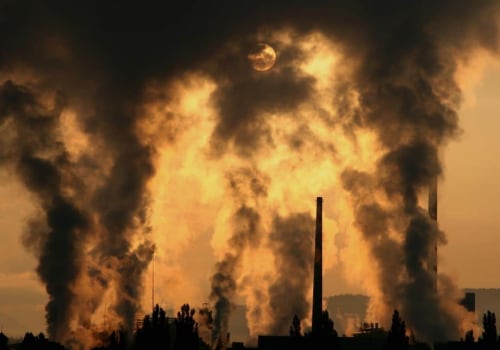
Indoor air quality (IAQ) refers to the condition of the air within buildings and structures, particularly as it relates to the health and comfort of the occupants. It encompasses a variety of factors, including the presence of pollutants, humidity levels, temperature, and ventilation. Understanding indoor air quality is crucial because we spend a significant portion of our lives indoors—estimates suggest that this can be as much as 90% for many individuals. As such, the air we breathe inside our homes, schools, and workplaces can have profound effects on our overall health and well-being.The importance of maintaining good indoor air quality cannot be overstated.
Poor IAQ can lead to a range of health issues, from minor irritations like headaches and fatigue to more serious conditions such as respiratory diseases, cardiovascular problems, and even long-term cognitive impairments. Common indoor air pollutants include volatile organic compounds (VOCs), mold spores, dust mites, pet dander, and tobacco smoke. These contaminants can accumulate over time, especially in poorly ventilated spaces, making it essential to be proactive in monitoring and improving the air quality in our living environments.Moreover, the significance of indoor air quality extends beyond just physical health; it also impacts mental well-being. Studies have shown that poor air quality can contribute to increased stress levels and decreased productivity.
By fostering a healthier indoor environment through improved IAQ, we not only enhance our physical health but also create a more conducive atmosphere for relaxation and focus. This section will delve deeper into the various aspects of indoor air quality, its implications for our health, and practical steps we can take to ensure that the air we breathe indoors is clean and safe.
Common Indoor Air Pollutants
Indoor air quality can be significantly compromised by a variety of common pollutants that often go unnoticed. Understanding these pollutants is essential for identifying their sources and implementing effective solutions to improve the air we breathe in our homes.Dust
is one of the most prevalent indoor air pollutants. It consists of tiny particles that can include dirt, pollen, skin flakes, and fibers from clothing and furniture.
Dust can accumulate quickly, especially in areas that are not frequently cleaned. Regular vacuuming and dusting can help minimize its presence, but it’s also important to use high-efficiency particulate air (HEPA) filters in vacuums to trap these particles effectively.
Mold
is another significant contributor to poor indoor air quality. It thrives in damp environments and can release spores into the air, which may trigger allergic reactions and respiratory issues. Common sources of mold include bathrooms, kitchens, and areas with water damage.
To combat mold growth, it’s crucial to control humidity levels in your home, ideally keeping them between 30% and 50%. Regularly inspecting areas prone to moisture and promptly addressing leaks can also help prevent mold infestations.
Pet dander
, which consists of tiny flakes of skin shed by cats, dogs, and other animals, is a common allergen found indoors. These particles can remain airborne for extended periods and may cause allergic reactions in sensitive individuals. To reduce pet dander, regular grooming of pets and frequent cleaning of carpets and upholstery are recommended.
Additionally, using air purifiers equipped with HEPA filters can help capture these allergens.
Volatile Organic Compounds (VOCs)
are chemicals found in many household products such as paints, cleaning supplies, and air fresheners. When these products are used or stored indoors, they can release VOCs into the air, leading to a range of health issues including headaches, dizziness, and respiratory problems. To minimize exposure to VOCs, opt for low-VOC or VOC-free products whenever possible and ensure proper ventilation when using such items.By being aware of these common indoor air pollutants—dust, mold, pet dander, and VOCs—you can take proactive steps to improve your home’s air quality. Regular cleaning routines, humidity control measures, and careful selection of household products are all effective strategies for creating a healthier indoor environment.
The Importance of Ventilation
Ventilation plays a crucial role in maintaining indoor air quality by facilitating the exchange of stale indoor air with fresh outdoor air.This process helps to dilute and remove indoor pollutants, such as volatile organic compounds (VOCs), allergens, and other harmful particles that can accumulate over time. Without adequate ventilation, these contaminants can lead to various health issues, including respiratory problems, allergies, and even long-term chronic conditions.There are several types of ventilation systems that can be employed to improve indoor air quality, each with its own advantages and applications:
- Naturally Ventilated Systems: These systems rely on natural forces such as wind and temperature differences to circulate air. Opening windows and doors can enhance airflow, but this method is highly dependent on external weather conditions and may not be effective in all climates.
- Mechanical Ventilation Systems: These systems use fans and ductwork to actively move air in and out of a building. They can be further categorized into:
- Exhaust Ventilation: This system removes indoor air, creating a negative pressure that draws in fresh air from outside.
It is effective for controlling humidity and odors but may not adequately filter incoming air.
- Supply Ventilation: In contrast, supply ventilation systems introduce fresh air into the building while exhausting stale air. This method helps maintain positive pressure indoors, which can be beneficial for preventing the entry of outdoor pollutants.
- Balanced Ventilation: This system combines both exhaust and supply methods to ensure a consistent flow of fresh air while maintaining indoor pressure. It often includes heat recovery ventilators (HRVs) or energy recovery ventilators (ERVs) that transfer heat between incoming and outgoing air, improving energy efficiency.
- Exhaust Ventilation: This system removes indoor air, creating a negative pressure that draws in fresh air from outside.
- Hybrid Systems: These systems integrate both natural and mechanical ventilation strategies. They can automatically switch between methods based on indoor air quality levels or external conditions, providing flexibility and efficiency.
Regular maintenance of these systems, including cleaning ducts and replacing filters, is also vital to ensure their effectiveness. By prioritizing proper ventilation, homeowners can create a healthier living environment that supports well-being for all occupants.
Effective Cleaning Strategies for Better Air Quality
Maintaining a clean home is essential for improving indoor air quality and reducing the presence of pollutants. Implementing effective cleaning strategies can significantly enhance the air we breathe indoors. Here are some practical tips to help you achieve better air quality through cleaning:- Establish a Regular Cleaning Schedule: Consistency is key when it comes to cleaning.
Create a weekly or bi-weekly cleaning schedule that includes dusting, vacuuming, and mopping. This routine will help prevent the accumulation of dust, pet dander, and other allergens.
- Use High-Quality Cleaning Products: Opt for cleaning products that are free from harsh chemicals and fragrances. Many conventional cleaners can release volatile organic compounds (VOCs) into the air, which can negatively impact indoor air quality. Look for eco-friendly or natural alternatives that are effective yet safe for your home.
- Focus on High-Traffic Areas: Pay special attention to areas that see a lot of foot traffic, such as entryways and living rooms.
These spaces tend to accumulate dirt and allergens more quickly. Regularly vacuum carpets and rugs in these areas to minimize dust buildup.
- Dust Surfaces Properly: When dusting, use microfiber cloths instead of feather dusters, as they trap dust rather than just moving it around. Don’t forget to dust hard-to-reach places like ceiling fans, light fixtures, and baseboards.
- Wash Fabrics Frequently: Curtains, cushions, and bedding can harbor dust mites and allergens. Wash these items regularly in hot water to eliminate potential irritants.
Consider using allergen-proof covers on pillows and mattresses to further reduce exposure.
- Vacuum with a HEPA Filter: If you have carpets or rugs, invest in a vacuum cleaner equipped with a HEPA filter. These filters are designed to capture small particles, including allergens, ensuring that they are not released back into the air during cleaning.
- Minimize Clutter: Clutter can collect dust and make cleaning more difficult. Keep surfaces clear and organized to facilitate easier cleaning and reduce the number of places where dust can accumulate.
- Consider Air Purifiers: While not a cleaning strategy per se, using air purifiers with HEPA filters can significantly improve indoor air quality. Place them in rooms where you spend the most time to help remove airborne pollutants.
Remember that regular maintenance is crucial; the more proactive you are about cleaning, the less likely harmful pollutants will take hold in your home.
Humidity Control: Balancing Moisture Levels
Maintaining optimal humidity levels in your home is crucial for ensuring good indoor air quality. Humidity refers to the amount of moisture present in the air, and it can significantly affect both our health and the condition of our living spaces. Ideally, indoor humidity should be kept between 30% and 50%. Levels above 60% can create an environment conducive to mold growth, dust mites, and other allergens, while levels below 30% can lead to dry skin, respiratory issues, and increased susceptibility to infections.To effectively manage humidity, many homeowners turn to humidifiers and dehumidifiers.Humidifiers add moisture to the air, which can be particularly beneficial during dry winter months or in arid climates. They help alleviate symptoms associated with dry air, such as dry throat, itchy eyes, and cracked skin. However, it’s essential to use them wisely; over-humidifying can lead to condensation on walls and windows, creating a breeding ground for mold.On the other hand, dehumidifiers are essential in areas prone to excess moisture, such as basements or bathrooms. These devices work by extracting moisture from the air, helping to maintain a balanced humidity level.
By reducing humidity, dehumidifiers can prevent mold growth and mitigate respiratory problems associated with damp environments.Understanding the effects of humidity on air quality is vital. High humidity levels can exacerbate allergies and asthma by promoting the growth of mold spores and dust mites. Conversely, low humidity can dry out mucous membranes in the respiratory tract, making it easier for viruses and bacteria to enter the body. Therefore, monitoring indoor humidity with a hygrometer is a practical step toward maintaining a healthy home environment.In summary, effective humidity control is a key component of improving indoor air quality.
By utilizing humidifiers and dehumidifiers appropriately and keeping an eye on humidity levels, you can create a more comfortable living space that supports your health and well-being.
Air Purifiers: Do They Really Work?
When it comes to enhancing indoor air quality, many homeowners turn to air purifiers as a potential solution. But do these devices truly deliver on their promises? The effectiveness of air purifiers largely depends on their type, the specific pollutants they target, and how well they are maintained.Air purifiers are designed to remove various contaminants from the air, including dust, pollen, pet dander, smoke, and even certain bacteria and viruses. The most common type of air purifier uses a HEPA (High-Efficiency Particulate Air) filter, which can capture up to 99.97% of particles that are 0.3 microns in size. This makes HEPA filters particularly effective against allergens and particulate matter.Evaluating Effectiveness
To determine whether an air purifier is effective for your needs, consider the following:- Type of Pollutants: Identify the specific pollutants you want to eliminate.
For example, if you are concerned about allergens, a HEPA filter is ideal. If odors or chemical vapors are your main concern, look for models with activated carbon filters.
- Room Size: Ensure that the air purifier is rated for the size of the room where it will be used. A unit that is too small for the space will not effectively clean the air.
- Clean Air Delivery Rate (CADR): This metric indicates how quickly an air purifier can clean the air in a given space. Higher CADR ratings mean faster purification.
Choosing the Right Air Purifier
Selecting the best air purifier for your home involves more than just picking a popular brand.Here are some tips to guide your decision:
- Assess Your Needs: Consider any specific health concerns or sensitivities within your household. For instance, individuals with asthma may benefit from purifiers that specifically target airborne allergens.
- Check Filter Replacement Costs: Some purifiers require frequent filter changes, which can add to long-term costs. Look for models with washable filters or those that have longer lifespans.
- Noise Level: If you plan to use the purifier in a bedroom or quiet space, check its noise level ratings to ensure it won’t disrupt your peace.
Natural Solutions: Indoor Plants as Air Purifiers
Indoor plants are not just aesthetically pleasing; they also serve as natural air purifiers, enhancing the quality of the air we breathe.Numerous studies have shown that certain plants can effectively absorb harmful toxins and improve indoor air quality, making them an excellent addition to any home.One of the most well-known plants for air purification is the Spider Plant. This resilient plant is particularly effective at removing pollutants such as formaldehyde and xylene. Its ability to thrive in various conditions makes it a favorite among both novice and experienced plant enthusiasts.Another excellent choice is the Peace Lily. Not only does it produce beautiful white flowers, but it also excels at filtering out ammonia, benzene, and trichloroethylene.
The Peace Lily prefers low light conditions, making it ideal for indoor spaces that may not receive much natural sunlight.The Boston Fern is another fantastic option for improving indoor air quality. This lush plant is known for its ability to remove formaldehyde and other toxins from the air. It thrives in humid environments, so placing it in bathrooms or kitchens can be particularly beneficial.If you're looking for a low-maintenance option, consider the Snake Plant , also known as Mother-in-Law's Tongue. This hardy plant is unique in that it converts carbon dioxide into oxygen at night, making it a great choice for bedrooms.
It can tolerate low light and infrequent watering, making it perfect for busy lifestyles.For those who want to add a touch of greenery while also benefiting from air purification, the Aloe Vera plant is an excellent choice. Known for its healing properties, Aloe Vera can help remove formaldehyde and benzene from the air while providing soothing gel for minor burns and skin irritations.Incorporating these plants into your home not only enhances your decor but also contributes to a healthier living environment. To maximize their air-purifying benefits, consider grouping several plants together, as this can create a mini-ecosystem that improves humidity levels and overall air quality.In conclusion, adding indoor plants like the Spider Plant, Peace Lily, Boston Fern, Snake Plant, and Aloe Vera can significantly improve your home's air quality. By choosing the right plants and caring for them properly, you can create a more inviting and healthier space for you and your family.
Regular Maintenance: Keeping Your HVAC System Healthy
Maintaining your HVAC system is crucial for ensuring optimal indoor air quality.A well-functioning HVAC system not only regulates temperature but also plays a significant role in filtering out pollutants and allergens from the air. Regular maintenance helps to prevent the buildup of dust, mold, and other contaminants that can compromise the air you breathe.
Importance of HVAC System Upkeep
Regular upkeep of your HVAC system is essential for several reasons:
- Enhanced Efficiency: A clean and well-maintained system operates more efficiently, reducing energy consumption and lowering utility bills.
- Improved Air Quality: Regular maintenance ensures that filters are clean and ducts are free from debris, which helps to maintain a healthier indoor environment.
- Extended Lifespan: Routine checks and servicing can prolong the life of your HVAC system, saving you money on premature replacements.
- Prevention of Major Issues: Identifying and addressing minor problems early can prevent costly repairs down the line.
How to Maintain Your HVAC System
To keep your HVAC system in top shape, consider the following maintenance tasks:
- Change Filters Regularly: Depending on usage, filters should be changed every 1-3 months. Clogged filters restrict airflow and reduce efficiency.
- Schedule Professional Inspections: At least once a year, have a qualified technician inspect your system. They can identify potential issues and perform necessary repairs.
- Clean Ducts: Over time, dust and debris accumulate in ducts.
Schedule a professional duct cleaning every few years to ensure clean airflow.
- Check Thermostat Settings: Ensure your thermostat is functioning correctly to maintain consistent temperatures and avoid unnecessary strain on the system.
- Inspect Condenser Coils: Keep the outdoor unit free from debris such as leaves or dirt that can obstruct airflow. Clean the coils regularly to enhance efficiency.
Identifying Vulnerable Populations: Who is Most Affected?
Indoor air quality (IAQ) is a critical aspect of our living environments, yet its impact is not felt equally across all demographics. Certain groups are particularly vulnerable to the adverse effects of poor air quality, making it essential to identify these populations and understand their specific risks.Children
Children are among the most affected by indoor air pollution.Their respiratory systems are still developing, which makes them more susceptible to the harmful effects of pollutants such as dust, mold, and volatile organic compounds (VOCs). Studies have shown that children exposed to poor indoor air quality may experience:
- Increased respiratory issues: Conditions like asthma and bronchitis can be exacerbated by allergens and irritants in the air.
- Impaired cognitive function: Some research suggests that exposure to certain pollutants can affect children's ability to concentrate and learn.
- Long-term health effects: Early exposure to poor air quality can lead to chronic health issues later in life.
The Elderly
The elderly population is another group at heightened risk. As people age, their immune systems weaken, making them less capable of fighting off the effects of indoor pollutants. Common health risks for older adults include:- Respiratory diseases: Conditions such as chronic obstructive pulmonary disease (COPD) can be aggravated by poor air quality.
- Cardiovascular problems: Studies have linked long-term exposure to indoor air pollution with increased rates of heart disease.
- Cognitive decline: There is emerging evidence that poor indoor air quality may contribute to conditions like dementia.
Individuals with Pre-existing Health Conditions
People with pre-existing health conditions, such as asthma, allergies, or heart disease, are also particularly vulnerable.For these individuals, even minor increases in indoor pollutants can trigger severe health reactions. It is crucial for caregivers and family members to monitor and improve indoor air quality in homes where these individuals reside.
Pregnant Women
Pregnant women represent another vulnerable group. Exposure to certain indoor pollutants has been linked to adverse pregnancy outcomes, including low birth weight and developmental issues in children. Ensuring good indoor air quality during pregnancy is vital for both maternal and fetal health.By recognizing these vulnerable populations and understanding their specific risks associated with poor indoor air quality, we can prioritize actions that protect their health.Implementing effective strategies to improve IAQ not only benefits these groups but also enhances the overall well-being of everyone in the household.
<strong>Conclusion</strong>
In conclusion, enhancing indoor air quality is not merely a matter of comfort; it is a crucial aspect of maintaining our health and well-being. The air we breathe indoors can significantly impact our physical and mental health, making it essential to take proactive measures to ensure that our living spaces are as clean and safe as possible.By implementing the strategies discussed throughout this article, such as regularly changing air filters, deep cleaning your home, and controlling humidity levels, you can create a healthier environment for yourself and your family. Additionally, investing in air purifiers and incorporating indoor plants can further enhance the quality of the air you breathe.Moreover, proper ventilation plays a vital role in reducing indoor pollutants. Ensuring that your home is well-ventilated allows fresh air to circulate while expelling stale air filled with contaminants. is not merely a matter of comfort; it is a crucial aspect of maintaining our health and well-being. The air we breathe indoors can significantly impact our physical and mental health, making it essential to take proactive measures to ensure that our living spaces are as clean and safe as possible.By implementing the strategies discussed throughout this article, such as regularly changing air filters, deep cleaning your home, and controlling humidity levels, you can create a healthier environment for yourself and your family. Additionally, investing in air purifiers and incorporating indoor plants can further enhance the quality of the air you breathe.Moreover, proper ventilation plays a vital role in reducing indoor pollutants. Ensuring that your home is well-ventilated allows fresh air to circulate while expelling stale air filled with contaminants.This is particularly important in areas prone to moisture, such as kitchens and bathrooms, where mold and mildew can thrive if not adequately addressed.It is also essential to stay informed about the latest research on indoor air quality and its implications for health. Understanding the specific needs of vulnerable populations—such as children, the elderly, and individuals with pre-existing health conditions—can guide you in making informed decisions about your indoor environment.Ultimately, improving indoor air quality is an ongoing process that requires attention and commitment. By prioritizing clean air in your home, you are not only enhancing your living space but also investing in the long-term health of yourself and your loved ones. Take these steps seriously, and you will reap the benefits of a healthier indoor atmosphere for years to come.